
Butterscotch Cheesecake is a rich, creamy dessert that combines the smooth texture of classic cheesecake with the warm, buttery sweetness of homemade butterscotch. With a crisp graham cracker crust, a velvety cheesecake filling, and a glossy butterscotch topping, every slice delivers an irresistible combination of flavors and textures.
The secret to this dessert is the deep caramel-like flavor of brown sugar and butter, which gives butterscotch its distinctive taste. Paired with tangy cream cheese and a hint of vanilla, it creates a beautifully balanced cheesecake that feels indulgent without being overly sweet.
Whether you’re preparing a dessert for Thanksgiving, a holiday dinner, a birthday celebration, or a special weekend treat, this Butterscotch Cheesecake is an excellent choice. Its elegant appearance makes it perfect for entertaining, while its familiar ingredients make it approachable for home bakers.
What Is Butterscotch Cheesecake?
Butterscotch Cheesecake is a baked cheesecake flavored with butterscotch, a sweet mixture traditionally made from brown sugar and butter. Unlike caramel, which is generally made by heating white sugar, butterscotch gets much of its characteristic flavor from the combination of brown sugar, butter, and often cream.
This recipe features three delicious layers:
- Graham cracker crust: A buttery, slightly crunchy base that provides contrast to the creamy filling.
- Butterscotch cheesecake filling: A smooth, rich mixture of cream cheese, brown sugar, eggs, vanilla, and butterscotch flavor.
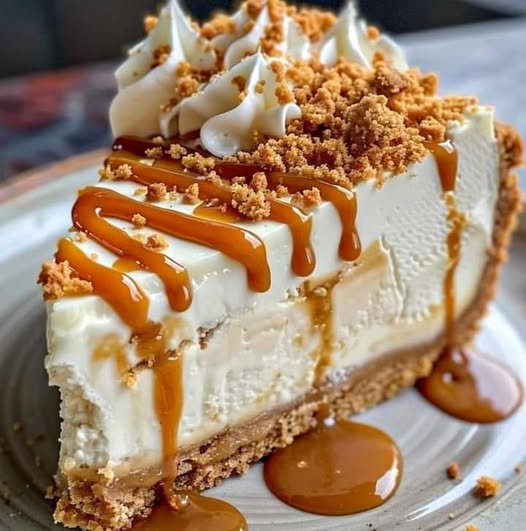
- Butterscotch topping: A silky sauce that adds extra sweetness and gives the cheesecake a beautiful glossy finish.
The result is a decadent dessert with a creamy center, a crisp base, and a rich butterscotch flavor in every bite.
Why You’ll Love This Butterscotch Cheesecake
- Rich, buttery flavor: Brown sugar and butter create the warm, distinctive taste of butterscotch.
- Creamy texture: The cheesecake filling is smooth, dense, and velvety.
- Perfect balance of flavors: The slight tang of cream cheese balances the sweetness of the topping.
- Beautiful presentation: The glossy sauce and golden color make this cheesecake look impressive on any dessert table.
- Ideal for special occasions: Serve it at Thanksgiving, Christmas, birthdays, dinner parties, or family gatherings.
- Make-ahead friendly: Chilling allows the cheesecake to set properly and makes serving easier.
- Easy to customize: Add chopped pecans, whipped cream, or a pinch of sea salt for extra flavor and texture.
Recipe at a Glance
- Preparation time: 30 minutes
- Baking time: 55–70 minutes
- Cooling time: Approximately 1 hour
- Chilling time: At least 6 hours, preferably overnight
- Total time: Approximately 8–9 hours
- Servings: 12 slices
- Course: Dessert
- Cuisine: American-inspired
- Difficulty: Intermediate
The total time includes cooling and refrigeration, which are essential for a cheesecake that slices cleanly and holds its shape.
Ingredients Overview
Each ingredient contributes to the flavor, texture, or structure of this homemade Butterscotch Cheesecake.
1. Cream Cheese
Cream cheese is the foundation of the filling. It creates the rich, smooth texture that makes cheesecake so satisfying.
Full-fat brick-style cream cheese is recommended because it provides a thicker, creamier consistency than spreadable cream cheese.
2. Brown Sugar
Brown sugar gives the cheesecake its signature butterscotch flavor. Its molasses content adds warmth and depth that pair beautifully with butter and vanilla.
Light brown sugar creates a mild flavor, while dark brown sugar gives the dessert a richer molasses note.
3. Unsalted Butter
Butter adds richness to both the graham cracker crust and the butterscotch sauce. It helps create a tender crust and contributes to the sauce’s smooth, buttery flavor.
4. Eggs
Eggs help the cheesecake filling set during baking and give it structure. Adding them one at a time and mixing gently helps create a smooth filling.
5. Sour Cream
Sour cream adds moisture and a subtle tang that balances the sweetness of the brown sugar. It also contributes to the creamy texture of the filling.
6. Vanilla Extract
Vanilla enhances the buttery, caramel-like notes of the butterscotch and adds warmth to the cheesecake.
7. Graham Crackers
Crushed graham crackers form the traditional cheesecake crust. Their lightly sweet, toasted flavor pairs well with the rich filling.
8. Heavy Cream
Heavy cream helps create a smooth butterscotch sauce. When combined with butter and brown sugar, it produces a thick, glossy topping that complements the cheesecake.
9. Salt
A small amount of salt balances the sweetness and enhances the buttery flavor. For a salted butterscotch variation, a pinch of flaky sea salt can also be added to the finished topping.
Tips for the Best Butterscotch Cheesecake
Use room-temperature cream cheese. Softened cream cheese blends more easily and helps prevent lumps in the filling.
Avoid overmixing the batter. Excessive mixing incorporates too much air, which can contribute to cracking as the cheesecake cools.
Use a springform pan. A 9-inch springform pan makes it easier to remove the cheesecake without damaging its sides.
Bake gently. A moderate oven temperature helps the cheesecake set evenly. The center should retain a slight wobble when the baking time is complete.
Prevent sudden temperature changes. Let the cheesecake cool gradually to reduce the risk of cracks.
Cool completely before adding the topping. Adding warm butterscotch sauce to a hot cheesecake can soften the surface and affect its appearance.
Allow enough chilling time. Refrigerate the cheesecake for at least 6 hours, preferably overnight, so the filling becomes firm and the flavors develop.
Butterscotch Cheesecake – Ingredients, Measurements, and Preparation
Ingredients for Butterscotch Cheesecake
This recipe makes one 9-inch cheesecake, serving approximately 12 people. It features a buttery graham cracker crust, a creamy brown sugar cheesecake filling, and a homemade butterscotch sauce.
For the Graham Cracker Crust
- 2 cups (200 g) graham cracker crumbs
- ¼ cup (50 g) packed light brown sugar
- 6 tablespoons (85 g) unsalted butter, melted
- ¼ teaspoon ground cinnamon, optional
- Pinch of salt
For the Cheesecake Filling
- 24 ounces (680 g) full-fat cream cheese, softened
- ¾ cup (150 g) packed light brown sugar
- ¼ cup (50 g) granulated sugar
- 3 large eggs, room temperature
- ½ cup (120 g) sour cream, room temperature
- 2 tablespoons (16 g) all-purpose flour
- 2 teaspoons vanilla extract
- ¼ teaspoon salt
For the Homemade Butterscotch Sauce
- ½ cup (100 g) packed dark brown sugar
- 4 tablespoons (56 g) unsalted butter
- ½ cup (120 ml) heavy cream
- 1 teaspoon vanilla extract
- ¼ teaspoon salt, or to taste
Optional Decoration
- Whipped cream
- Chopped toasted pecans
- Flaky sea salt
- Extra butterscotch sauce
Ingredient Notes and Substitutions
Cream cheese: Use full-fat, brick-style cream cheese for a rich, stable filling. Reduced-fat varieties may produce a softer texture.
Brown sugar: Light brown sugar creates a mild butterscotch flavor, while dark brown sugar adds a deeper molasses taste. Either works in the filling.
Graham crackers: If graham crackers aren’t available, use digestive biscuits or another lightly sweetened crisp cookie. The final flavor may vary slightly.
Sour cream: Full-fat sour cream adds tang and creaminess. Plain Greek yogurt can be used as an alternative, although the texture may be slightly different.
All-purpose flour: A small amount helps stabilize the filling. For a gluten-free version, use a suitable gluten-free flour blend and gluten-free graham crackers.
Heavy cream: Use heavy whipping cream with approximately 36% milk fat for a smooth, rich sauce. Avoid low-fat milk, which may produce a thinner topping.
Vanilla extract: Pure vanilla extract complements the brown sugar and butter. Add it after removing the sauce from the heat for the best aroma.
Salt: Salt balances the sweetness and enhances the butterscotch flavor. Adjust it to taste, especially if your butter is salted.
Equipment You’ll Need
- 9-inch springform pan
- Food processor or rolling pin for crushing crackers
- Mixing bowls
- Electric hand mixer or stand mixer
- Rubber spatula
- Measuring cups and spoons or a kitchen scale
- Small saucepan
- Whisk
- Baking sheet
- Parchment paper
- Thin knife for loosening the cheesecake edges
A springform pan is particularly useful because its removable sides allow you to release the cheesecake without damaging the crust.
Preparation Tips Before You Begin
1. Bring the Dairy Ingredients to Room Temperature
Allow the cream cheese, eggs, and sour cream to sit at room temperature before mixing. This helps the ingredients blend smoothly and reduces the risk of lumps.
Keep the heavy cream refrigerated until you need it for the butterscotch sauce.
2. Prepare the Crust Evenly
Crush the graham crackers into fine, even crumbs. Mix them with the brown sugar, melted butter, cinnamon, and salt until the texture resembles damp sand.
Press the mixture firmly into the bottom of the springform pan. Use the flat bottom of a measuring cup to create an even layer.
3. Avoid Overmixing the Filling
Beat the cream cheese and sugars until smooth, scraping down the bowl as needed. Add the eggs one at a time and mix on low speed.
Excessive mixing can incorporate too much air, which may cause the cheesecake to rise excessively and crack as it cools.
4. Prepare the Butterscotch Ingredients in Advance
Measure the brown sugar, butter, and heavy cream before starting the sauce. Butterscotch cooks quickly once the sugar dissolves, so having everything ready makes the process easier.
5. Allow Plenty of Cooling Time
The cheesecake needs to cool gradually and then chill in the refrigerator for at least 6 hours. For the cleanest slices, prepare it the day before serving.
How to Prepare the Graham Cracker Crust
- Preheat the oven to 350°F (175°C).
- In a mixing bowl, combine the graham cracker crumbs, brown sugar, cinnamon, and salt.
- Pour in the melted butter and stir until all the crumbs are evenly moistened.
- Transfer the mixture to a 9-inch springform pan.
- Press the crumbs firmly across the bottom of the pan, creating an even layer.
- Bake for 8–10 minutes, then remove the pan from the oven.
- Allow the crust to cool slightly while you prepare the filling.
The crust should hold together when pressed and have a lightly toasted aroma.
Butterscotch Cheesecake – Step-by-Step Instructions
This Butterscotch Cheesecake combines a buttery graham cracker crust, a smooth brown sugar cheesecake filling, and a rich homemade butterscotch topping. Follow these steps carefully to achieve a creamy texture and a beautiful finish.
Preheat the Oven
Preheat your oven to 325°F (165°C).
Make sure the graham cracker crust has been prepared and baked according to Part 2. Allow it to cool slightly while you prepare the filling.
Keep the springform pan on a baking sheet to make it easier to handle and catch any butter that might leak from the crust.
Prepare the Cheesecake Filling
In a large mixing bowl, beat the softened cream cheese, brown sugar, and granulated sugar on medium-low speed until smooth and creamy.
Scrape down the sides and bottom of the bowl to ensure that no lumps remain.
Add the eggs one at a time, mixing on low speed after each addition. Avoid beating excessively, as too much air can contribute to cracks during baking.
Add the sour cream, vanilla extract, flour, and salt. Mix gently until everything is incorporated and the filling is smooth.
Pour the Filling Over the Crust
Pour the cheesecake mixture over the prepared graham cracker crust.
Use a spatula to spread the filling evenly and gently tap the pan against the counter a few times to release large air bubbles.
The surface should be relatively smooth before the cheesecake goes into the oven.
Bake the Cheesecake
Bake at 325°F (165°C) for approximately 55–70 minutes.
The edges should look set, while the center should retain a slight wobble when you gently move the pan. It should not look liquid.
Avoid opening the oven door repeatedly, as sudden temperature changes can affect the texture.
If the top begins to brown too quickly, check your oven temperature and consider loosely covering the cheesecake with foil near the end of baking.
Cool the Cheesecake Gradually
Turn off the oven and leave the cheesecake inside with the door slightly open for about 30 minutes.
Remove it from the oven and let it cool at room temperature for another hour.
Run a thin knife around the edge of the cheesecake to help prevent the surface from pulling and cracking as it contracts.
Once it has cooled, cover the pan and refrigerate for at least 6 hours, preferably overnight.
Prepare the Homemade Butterscotch Sauce
While the cheesecake cools, prepare the topping.
- Place the brown sugar and butter in a small saucepan over medium-low heat.
- Stir until the butter melts and the sugar begins to dissolve.
- Add the heavy cream slowly, stirring continuously.
- Bring the mixture to a gentle simmer and cook for approximately 3–5 minutes, stirring frequently, until it becomes smooth and slightly thickened.
- Remove the saucepan from the heat.
- Stir in the vanilla extract and salt.
The sauce will thicken further as it cools. Avoid boiling it aggressively, as excessive heat can make the sauce too thick or cause it to separate.
If the sauce becomes too thick, gently warm it and stir in a small amount of cream.
Cool the Butterscotch Sauce
Let the sauce cool until it is thick enough to coat the back of a spoon but still pourable.
Do not pour hot sauce over the cheesecake. Warm sauce can soften the filling and affect the smooth finish.
If you’re preparing the sauce ahead, refrigerate it in a covered container and gently rewarm it before using.
Add the Butterscotch Topping
Once the cheesecake is completely chilled, release the sides of the springform pan.
Pour the cooled butterscotch sauce over the top, spreading it gently toward the edges. You can leave a small border of cheesecake visible for an elegant presentation.
For extra decoration, add chopped toasted pecans, a little flaky sea salt, or a few swirls of whipped cream.
Refrigerate the cheesecake for another 15–20 minutes if you want the topping to firm up slightly before slicing.
Slice and Serve
Use a sharp knife warmed under hot water and wiped dry before each cut. This helps produce clean, neat slices.
Serve the cheesecake chilled, allowing it to sit at room temperature for about 5–10 minutes if you prefer a slightly softer texture.
Each slice should have a firm graham cracker crust, a creamy cheesecake center, and a rich butterscotch topping.
Troubleshooting Common Butterscotch Cheesecake Problems
Why Did My Cheesecake Crack?
Cracks can develop from overmixing, overbaking, or sudden temperature changes. Mix the filling gently, remove the cheesecake when the center still has a slight wobble, and let it cool gradually.
A crack does not affect the flavor, and the butterscotch topping can help cover small imperfections.
Why Is My Cheesecake Center Too Soft?
The cheesecake may need more baking time or more chilling time. Make sure the edges are set and the center has a gentle wobble rather than a liquid appearance. Chill for at least 6 hours before slicing.
Why Is My Butterscotch Sauce Too Thin?
It may not have simmered long enough, or it may still be warm. Let it cool before judging its consistency. If necessary, return it to low heat and simmer briefly until slightly thickened.
Why Is My Butterscotch Sauce Grainy?
The sugar may not have dissolved completely or the mixture may have cooked too aggressively. Use medium-low heat, stir regularly, and avoid rapid boiling.
Why Is the Crust Crumbling?
The crumbs may not have been evenly moistened or pressed firmly enough. Make sure the melted butter coats the crumbs and press the mixture firmly into the pan before baking.
Can I Make the Cheesecake Ahead of Time?
Yes. Bake and chill the cheesecake the day before serving. Prepare the butterscotch sauce separately, refrigerate it, and gently rewarm it until pourable. Add the topping shortly before serving for the best appearance.
Butterscotch Cheesecake – Serving, Storage, Variations, and FAQs
How to Serve Butterscotch Cheesecake
Butterscotch Cheesecake is rich, creamy, and full of buttery brown sugar flavor. Its smooth filling and glossy topping make it an elegant dessert for holidays, dinner parties, and special occasions.
Here are some delicious ways to serve it:
- Whipped cream: Add a generous swirl of lightly sweetened whipped cream to each slice for a soft, airy contrast.
- Toasted pecans: Sprinkle chopped toasted pecans over the butterscotch topping for a nutty flavor and satisfying crunch.
- Flaky sea salt: Add a small pinch of flaky sea salt to balance the sweetness and enhance the butterscotch flavor.
- Vanilla ice cream: Serve a small scoop alongside the cheesecake for an extra-indulgent dessert.
- Fresh apple slices: Pair each slice with thinly sliced apples for a fresh, crisp contrast.
- Coffee or espresso: The slightly bitter flavor of coffee complements the rich brown sugar and butter notes.
For the best presentation, serve the cheesecake chilled and add any whipped cream or delicate decorations just before serving.
How to Store Butterscotch Cheesecake
In the Refrigerator
Store the cheesecake in an airtight container or cover the springform pan tightly with plastic wrap or foil.
- Refrigerate for up to 4 days.
- Keep the cheesecake chilled between servings.
- Add fresh whipped cream or other delicate decorations just before serving.
Because cheesecake contains dairy and eggs, do not leave it at room temperature for more than 2 hours.
At Room Temperature
Butterscotch Cheesecake should not be stored at room temperature. Serve individual portions and return the remaining cheesecake to the refrigerator promptly.
In the Freezer
Butterscotch Cheesecake can be frozen for longer storage.
- Chill the cheesecake completely until firm.
- Freeze it uncovered for about 1 hour to firm the surface.
- Wrap the cheesecake or individual slices tightly in plastic wrap.
- Add a layer of aluminum foil or place the portions in a freezer-safe container.
- Freeze for up to 2 months for the best quality.
For the best texture, freeze the cheesecake without the butterscotch topping if possible.
Thaw it overnight in the refrigerator, then prepare fresh butterscotch sauce and add it before serving. If the cheesecake is already topped, you can still freeze it, although the sauce may change slightly in texture.
How to Reheat Butterscotch Sauce
If your homemade butterscotch sauce has thickened in the refrigerator, you can easily make it pourable again.
On the stovetop: Place the sauce in a small saucepan over low heat. Stir gently until smooth. Add 1 teaspoon of heavy cream at a time if the sauce is too thick.
In the microwave: Heat the sauce in a microwave-safe bowl in 10–15 second intervals, stirring between each interval.
Let the sauce cool until warm rather than hot before pouring it over the chilled cheesecake.
Delicious Butterscotch Cheesecake Variations
1. Salted Butterscotch Cheesecake
Add a little extra salt to the butterscotch sauce and finish the cheesecake with a light sprinkle of flaky sea salt. The contrast between sweet and salty makes the buttery flavor stand out.
2. Butterscotch Pecan Cheesecake
Mix ½ cup of chopped toasted pecans into the graham cracker crust or sprinkle them over the finished topping. The nuts add crunch and complement the brown sugar flavor.
3. Chocolate Butterscotch Cheesecake
Add a thin layer of chocolate ganache between the crust and cheesecake filling, or drizzle melted dark chocolate over the finished dessert. Dark chocolate balances the sweetness of the butterscotch.
4. No-Bake Butterscotch Cheesecake
For a no-bake version, prepare the graham cracker crust and use a chilled cream cheese filling stabilized with whipped cream and a suitable amount of gelatin. Refrigerate until firm and add the cooled butterscotch sauce before serving.
The texture will be lighter and mousse-like compared with the baked version.
5. Apple Butterscotch Cheesecake
Serve the cheesecake with cinnamon-sautéed apples or a layer of cooled apple compote. Apples pair naturally with the warm, buttery notes of butterscotch.
6. Brown Butter Butterscotch Cheesecake
Brown the butter used in the sauce until it develops a golden color and nutty aroma. Let it cool slightly before proceeding with the sauce. This adds another layer of toasted, caramel-like flavor.
7. Mini Butterscotch Cheesecakes
Divide the crust and filling among a lined muffin tin to create individual cheesecakes. Bake for less time than the full-size version, checking for set edges and slightly wobbly centers. Cool and chill thoroughly before adding the topping.
Frequently Asked Questions
What Is the Difference Between Butterscotch and Caramel?
Butterscotch traditionally gets its flavor from brown sugar and butter, while caramel is usually made by heating white sugar until it caramelizes. Both can be rich and sweet, but butterscotch often has a more buttery, molasses-like flavor.
Can I Use Store-Bought Butterscotch Sauce?
Yes. A thick, good-quality butterscotch sauce works well as a topping. Allow it to cool to a pourable consistency before adding it to the chilled cheesecake.
Why Does My Cheesecake Need to Chill Overnight?
Chilling allows the filling to firm up and the flavors to settle. Overnight refrigeration usually gives the cheesecake a more stable texture and makes it easier to cut into clean slices.
How Do I Know When the Cheesecake Is Done Baking?
The edges should look set, while the center should retain a slight wobble when the pan is gently moved. The cheesecake will continue to firm up as it cools and chills.
Can I Make Butterscotch Cheesecake Without a Water Bath?
Yes. This recipe can be baked without a water bath, although a water bath can help produce more even heat and reduce the risk of cracks. If you skip it, avoid overbaking and allow the cheesecake to cool gradually.
Can I Use Light Brown Sugar Instead of Dark Brown Sugar?
Absolutely. Light brown sugar creates a milder flavor, while dark brown sugar produces a deeper molasses taste. Both work well in the filling and sauce.
How Do I Get Clean Cheesecake Slices?
Chill the cheesecake thoroughly, use a sharp knife, and wipe the blade clean between cuts. Cutting while the cheesecake is too warm can cause the filling and topping to smear.
Can I Prepare the Butterscotch Sauce in Advance?
Yes. Prepare the sauce up to several days ahead and store it in an airtight container in the refrigerator. Warm it gently before using, and allow it to cool slightly before pouring it over the cheesecake.
Final Thoughts
Butterscotch Cheesecake is a delicious dessert that combines a buttery graham cracker crust, a smooth cream cheese filling, and a rich brown sugar butterscotch topping. Its balance of creamy texture and warm, caramel-like flavor makes it a wonderful choice for holidays, family gatherings, and special celebrations.
For the best results, use room-temperature cream cheese, avoid overmixing the filling, bake until the center is just set, and allow plenty of time for chilling. A homemade butterscotch sauce and a handful of toasted pecans can make every slice even more special.
Prepare it ahead, serve it chilled, and enjoy a homemade cheesecake that brings together classic comfort and elegant presentation.