
What Are Cottage Cheese Chips?
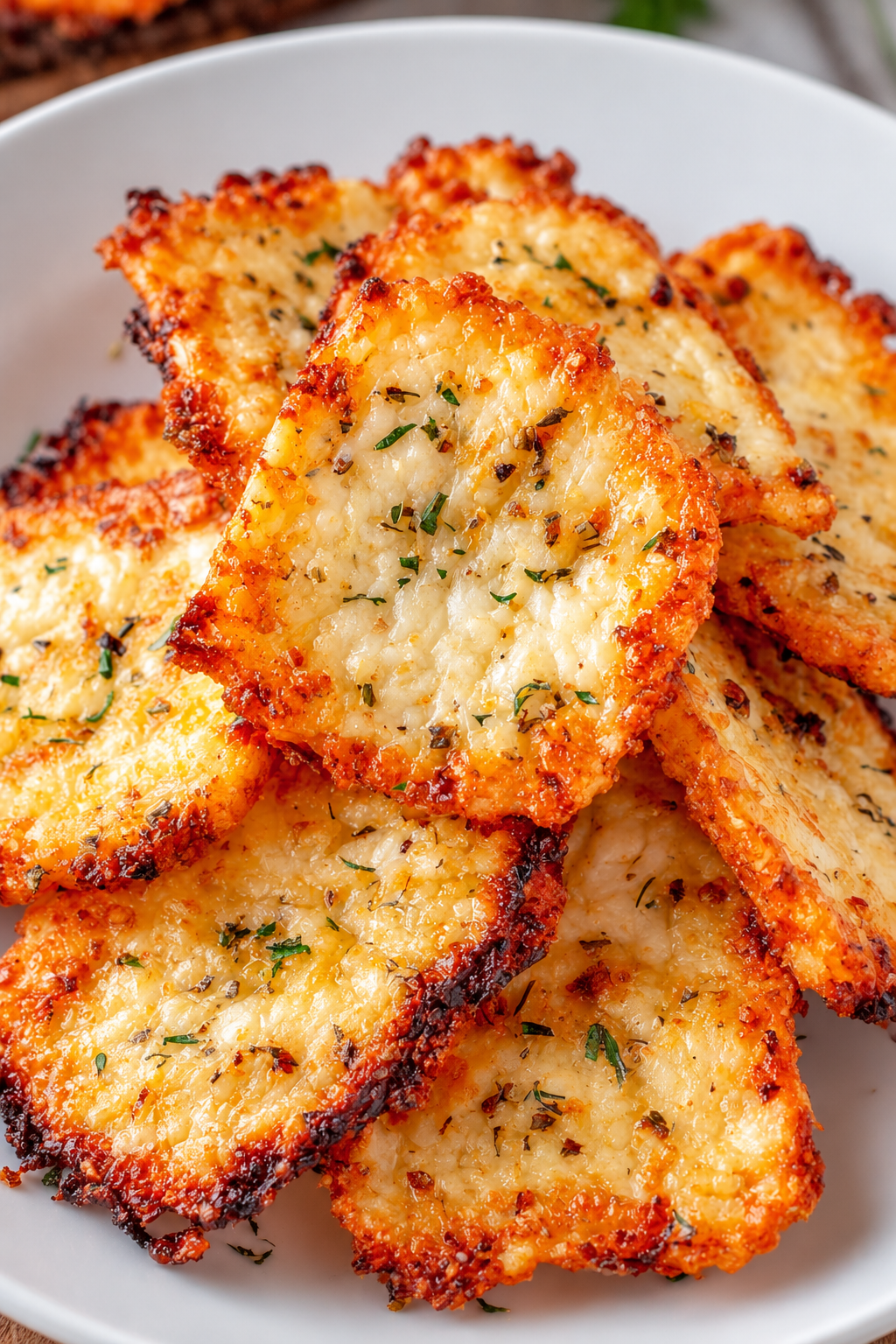
Cottage Cheese Chips are small, savory crisps made by baking seasoned cottage cheese in thin portions until the moisture evaporates and the edges become golden and crunchy.
Unlike traditional chips made from potatoes or corn, these chips use cottage cheese as their main ingredient. Depending on the cottage cheese brand, thickness of the portions, and baking time, the finished texture can range from lightly crisp and delicate to more deeply golden and crunchy.
The recipe is naturally flexible. You can add garlic powder, onion powder, paprika, black pepper, Italian seasoning, or grated Parmesan to create different flavor combinations.
Cottage Cheese Chips are often made in the oven, but they can also be prepared in an air fryer with careful attention to temperature and cooking time. The key to success is using small, evenly spaced portions and allowing them to bake until sufficiently dry.
Why You’ll Love These Cottage Cheese Chips
- Simple ingredients: You only need cottage cheese and your favorite seasonings to get started.
- Protein-rich snack: Cottage cheese provides protein, making these chips a satisfying option between meals.
- Easy to customize: Change the seasonings to create spicy, cheesy, garlicky, or herb-flavored chips.
- A fun alternative to crackers: Their savory flavor makes them a great addition to snack plates and dipping boards.
- Minimal preparation: Most of the work involves portioning the mixture and letting the oven do the rest.
- Perfect for experimenting: You can test different baking times and portion sizes to find your preferred level of crispness.
- Great for savory cravings: They offer a different way to enjoy cottage cheese when you want something crunchy rather than creamy.
What Makes Cottage Cheese Chips Special?
The Cottage Cheese Base
Cottage cheese gives these chips their distinctive flavor and provides protein. Small-curd cottage cheese works well, while blending the cottage cheese can create a smoother mixture if you prefer a more uniform texture.
Because cottage cheese contains a significant amount of moisture, the chips need enough time in the oven to dry out. This is one of the most important factors in achieving a crisp finish.
The Seasonings
A few basic seasonings can transform the flavor of cottage cheese chips. Garlic powder and onion powder provide a savory base, while paprika adds warmth and color.
For a more pronounced cheesy flavor, you can experiment with a small amount of finely grated Parmesan. Italian seasoning, chili powder, and cracked black pepper are also excellent options.
The Baking Method
Baking the chips in small, evenly spaced portions helps them cook more consistently. A parchment-lined baking sheet makes cleanup easier and helps prevent sticking.
The chips may still feel slightly soft when first removed from the oven. Allowing them to cool on the baking sheet helps them firm up, although the final texture will depend on how much moisture remains.
The Crunchy Finish
The goal is to create thin portions with golden edges and a dry center. Spreading the mixture too thickly can leave the chips soft in the middle, while very thin portions may brown quickly.
Watch the chips closely toward the end of baking because moisture levels vary between cottage cheese brands.
Ingredients That Bring It All Together
This recipe can be made with just a few simple ingredients.
- Cottage cheese: The main ingredient, providing the base and protein.
- Garlic powder: Adds a savory, aromatic flavor.
- Onion powder: Gives the chips a deeper, slightly sweet flavor.
- Paprika: Adds color and a mild smoky note.
- Black pepper: Provides a little warmth.
- Salt: Optional, depending on how salty your cottage cheese already is.
- Grated Parmesan: Optional for extra cheesy flavor and browning.
The exact measurements, ingredient substitutions, and preparation tips will be covered in Part 2.
When to Serve Cottage Cheese Chips
These homemade chips are versatile enough for a variety of occasions.
- Afternoon snacks when you want something savory
- High-protein snack plates
- Casual movie nights
- Lunchboxes, when packed appropriately
- Appetizer platters with dips and fresh vegetables
- A crunchy addition to a simple snack spread
They pair especially well with Greek yogurt dip, salsa, hummus, or a creamy herb dip. Because their texture can vary, they are best served soon after baking when they have had time to cool and crisp.
What to Expect From This Recipe
Cottage Cheese Chips have a savory, lightly tangy flavor with golden edges and a texture that can range from delicate and crisp to slightly chewy, depending on the cottage cheese and baking method.
They are not always identical to potato chips, so it is helpful to approach them as their own kind of homemade snack. Draining excess moisture when needed, spreading the mixture thinly, and baking until dry are the keys to getting the best results.
Once cooled, the chips can be enjoyed on their own or paired with your favorite dips. You can also experiment with different seasonings to create a version that suits your taste.
Cottage Cheese Chips
Ingredients, Measurements, and Helpful Tips
The secret to making delicious Cottage Cheese Chips is choosing the right cottage cheese, controlling excess moisture, and spreading the mixture into small, thin portions. With just a few ingredients, you can prepare a savory snack that is easy to customize with your favorite seasonings.
This oven-baked version keeps the ingredient list simple while adding garlic, paprika, and optional Parmesan for extra flavor.
Ingredients for Cottage Cheese Chips
Yield: About 2 servings Oven temperature: 350°F (175°C)
Main Ingredients
- 1 cup (225 g) cottage cheese
- 1/2 teaspoon garlic powder
- 1/4 teaspoon onion powder
- 1/4 teaspoon paprika
- 1/8 teaspoon black pepper
- Salt, to taste, if needed
- 2 tablespoons finely grated Parmesan cheese, optional
Use plain, unflavored cottage cheese for the best savory flavor. The Parmesan adds extra flavor and may help with browning, but it is not essential.
Choosing the Best Cottage Cheese
Cottage cheese varies in moisture, curd size, and consistency, so the type you use can affect the final texture.
- Small-curd cottage cheese: A good option for chips with a slightly textured appearance.
- Large-curd cottage cheese: Can work, but blending it first may help create a more uniform mixture.
- Low-fat cottage cheese: Can be used, although the moisture content and texture vary by brand.
- Full-fat cottage cheese: Offers a richer flavor, but it may still contain enough moisture to require draining.
If your cottage cheese looks particularly watery, drain off the excess liquid before mixing. You can also briefly blend it if you prefer a smoother consistency.
Ingredient Substitutions and Flavor Options
Garlic and Onion Powder
These seasonings give the chips a classic savory flavor. You can adjust the amounts to suit your taste or replace them with an all-purpose seasoning blend.
Paprika
Regular paprika adds mild warmth and color. Smoked paprika provides a deeper, smoky flavor, while a small pinch of cayenne pepper creates a spicier version.
Parmesan Cheese
Finely grated Parmesan is optional but adds a stronger cheesy flavor. Use a finely grated variety so it mixes evenly with the cottage cheese.
You can omit it if you prefer a simpler recipe. Keep in mind that removing it may change the browning and texture slightly.
Fresh Herbs
If you want a more herbaceous flavor, try a small amount of dried oregano, Italian seasoning, or dried dill. Add fresh herbs sparingly because their moisture can affect crispness.
Helpful Tips for Crispy Cottage Cheese Chips
- Remove excess moisture: Watery cottage cheese can make the chips soft. Drain it if necessary before mixing.
- Blend for a smoother texture: A quick blend can help distribute the seasonings evenly and create a more uniform mixture.
- Make small portions: Smaller chips are easier to spread thinly and tend to cook more evenly.
- Leave space between portions: This allows heat to circulate and makes it easier for moisture to evaporate.
- Use parchment paper: It helps reduce sticking and makes the chips easier to remove.
- Watch the edges: The chips may brown before the centers dry out, so keep an eye on them toward the end of baking.
- Let them cool: Allow the chips to cool on the baking sheet before removing them. They may firm up as they cool.
- Adjust the baking time: Cottage cheese brands differ in moisture, so the suggested time is only a starting point.
Common Mistakes to Avoid
Spreading the Mixture Too Thickly
Thick portions may remain soft in the center even when the edges are golden. Use the back of a spoon to spread the mixture into thin, even rounds.
Adding Too Much Salt
Cottage cheese and Parmesan can already contain a fair amount of sodium. Taste the seasoned mixture before adding extra salt.
Removing the Chips Too Early
If the chips still look wet or feel very soft, they may need more time in the oven. Continue baking in short intervals, watching carefully to prevent burning.
Expecting Every Batch to Be Identical
Some cottage cheese chips become very crisp, while others retain a little chewiness. The result depends on the cheese’s moisture content, the thickness of the portions, and how long they bake.
Make-Ahead Preparation
Cottage Cheese Chips are best prepared shortly before serving because they can soften as they absorb moisture from the air.
Before baking: Measure the seasonings and Parmesan ahead of time. If the cottage cheese is watery, drain it shortly before mixing.
After baking: Let the chips cool completely before storing them. Avoid placing them in a container while they are still warm, as trapped steam can make them soft.
For the best texture: Prepare only the amount you expect to eat, especially if you prefer a crisp finish.
With your ingredients measured and your cottage cheese prepared, you’re ready to bake your homemade chips.
Step-by-Step Instructions
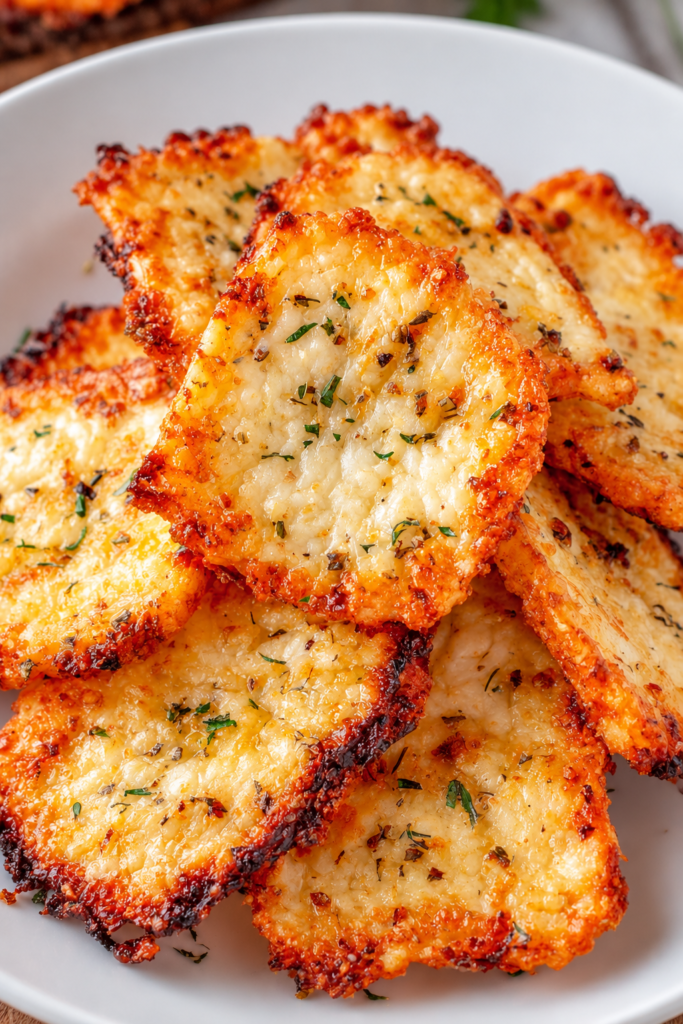
Making Cottage Cheese Chips at home is simple, and you only need a few minutes of preparation before the oven does most of the work. The key is to spread the mixture thinly, allow enough moisture to evaporate, and let the chips cool before removing them from the baking sheet.
Follow these steps to make savory, golden cottage cheese chips with garlic, paprika, and optional Parmesan.
Preheat the Oven
Preheat your oven to 350°F (175°C).
Line a large baking sheet with parchment paper to help prevent sticking and make cleanup easier. If you are making a larger batch, use two baking sheets rather than crowding the chips together.
Prepare the Cottage Cheese
Measure 1 cup (225 g) of cottage cheese and check its consistency. If it contains a lot of liquid, drain the excess moisture using a fine-mesh strainer.
For a smoother texture, place the cottage cheese in a blender or food processor and blend briefly until the curds are mostly smooth.
You can skip blending if you prefer chips with a little more texture, although the finished appearance may be less uniform.
Add the Seasonings
Transfer the cottage cheese to a medium bowl.
Add the garlic powder, onion powder, paprika, and black pepper. If you are using Parmesan, add the 2 tablespoons of finely grated cheese as well.
Stir until the seasonings are evenly distributed throughout the mixture. Taste a small amount before adding salt, since cottage cheese and Parmesan can already be salty.
Shape the Chips
Spoon small portions of the mixture onto the prepared baking sheet.
Use the back of a spoon to spread each portion into a thin, round layer, approximately 2–3 inches wide. Keep the portions evenly spaced so they can bake without touching.
Try to make each chip a similar thickness. Thicker portions may remain soft in the middle, while extremely thin portions can brown too quickly.
Bake the Chips
Place the baking sheet on the middle rack of the preheated oven.
Bake for approximately 25–40 minutes, checking regularly toward the end of the cooking time. The exact time will depend on the moisture content of the cottage cheese and how thinly the chips have been spread.
Look for golden-brown edges and a surface that appears dry rather than wet. If the chips are still soft and moist in the center, continue baking in short intervals.
Keep a close eye on the chips during the final minutes because they can go from golden to overly browned quickly.
Check for Doneness
When the chips appear golden and dry, remove the baking sheet from the oven.
The edges should look crisp, although the centers may still be slightly tender immediately after baking. If the chips look noticeably wet or bend easily because of excess moisture, they may need additional baking time.
Avoid judging their final texture while they are still piping hot.
Let the Chips Cool
Allow the chips to cool on the baking sheet for about 5–10 minutes.
As they cool, they may firm up and become easier to lift from the parchment paper. Use a thin spatula to remove them gently.
If a few chips stick, loosen them carefully rather than pulling hard, which can cause them to break.
Serve and Enjoy
Arrange the cooled cottage cheese chips on a serving plate and enjoy them on their own or with your favorite dip.
They pair well with Greek yogurt dip, salsa, hummus, or a creamy herb dip. For extra flavor, sprinkle on a little paprika or dried herbs just before serving.
For the best texture, eat the chips soon after baking, since they may soften as they sit.
Tips for Better Cottage Cheese Chips
- Drain watery cottage cheese: Less excess moisture can help the chips dry out more effectively.
- Blend if needed: A smoother mixture may produce more uniform chips.
- Keep the portions thin: Even thickness helps prevent wet centers.
- Don’t overcrowd the baking sheet: Leave enough space between portions for heat to circulate.
- Bake according to appearance: Use the suggested cooking time as a guide rather than a guarantee.
- Cool before removing: The chips may be fragile when hot but firmer after resting.
- Serve promptly: Humidity and storage can soften the texture over time.
Your homemade Cottage Cheese Chips are now ready to enjoy. They make a simple savory snack that you can customize with different seasonings to suit your taste.
Storage, Serving Ideas, Variations, and FAQs:
Cottage Cheese Chips are a fun way to turn a simple ingredient into a savory homemade snack. With their golden edges, cheesy flavor, and customizable seasonings, they are an interesting alternative to traditional crackers and chips.
For the best experience, serve them shortly after baking, when they have had time to cool and firm up. Here is how to store leftovers, customize the flavors, and get the most out of this easy recipe.
How to Store Cottage Cheese Chips
Storing Leftovers
Cottage Cheese Chips are best eaten fresh because their moisture content can make them soften during storage.
If you have leftovers:
- Let the chips cool completely.
- Place them in a clean, airtight container.
- Refrigerate them promptly because they are made from a dairy-based ingredient.
- Enjoy them within 2–3 days for the best quality.
Keep in mind that refrigeration may soften the chips, even when they are stored properly.
How to Make Cottage Cheese Chips Crispy Again
If your chips become soft after refrigeration, you can try reheating them to remove some of the moisture.
Oven method: Preheat the oven to 300°F (150°C). Arrange the chips in a single layer on a parchment-lined baking sheet and heat for approximately 5–10 minutes, checking frequently.
Air fryer method: Place the chips in a single layer and heat at about 300°F (150°C) for 2–4 minutes, checking often to prevent burning.
Let them cool briefly before eating. Reheating may improve their texture, although it will not always restore the same crispness as freshly baked chips.
Can You Freeze Cottage Cheese Chips?
Freezing is not recommended if you want to preserve their crisp texture. The moisture in cottage cheese can affect the chips during freezing and thawing, leaving them softer or more fragile.
For the best results, prepare a fresh batch when you want a crunchy snack.
What to Serve with Cottage Cheese Chips
These chips have a savory, slightly tangy flavor that works well with a variety of dips and accompaniments.
1. Greek Yogurt Dip
Mix plain Greek yogurt with garlic powder, lemon juice, salt, pepper, and chopped herbs. This creamy dip complements the flavor of the chips without overpowering them.
2. Fresh Salsa
Tomato salsa adds a bright, fresh contrast to the savory chips. Choose a mild salsa or a spicy version, depending on your preference.
3. Hummus
Serve the chips with classic hummus, roasted red pepper hummus, or garlic hummus for a satisfying snack plate.
4. Creamy Herb Dip
Combine sour cream or Greek yogurt with dried dill, parsley, garlic powder, and black pepper. Chill the dip briefly before serving to let the flavors develop.
5. Fresh Vegetables
Add cucumber slices, carrot sticks, cherry tomatoes, and bell pepper strips to create a colorful snack platter.
6. Cheese and Snack Boards
Arrange the chips alongside fresh vegetables, olives, cheese cubes, and other savory snacks. Because homemade cottage cheese chips can be delicate, place them on top or serve them in a separate bowl.
Delicious Cottage Cheese Chips Variations
One of the best things about this recipe is how easy it is to change the flavor. Start with the basic cottage cheese mixture, then experiment with different seasonings.
Garlic Parmesan Cottage Cheese Chips
Add finely grated Parmesan and a little extra garlic powder to the mixture. The Parmesan creates a richer, savory flavor and can help the chips brown.
For the best results, use finely grated cheese so it distributes evenly.
Spicy Cottage Cheese Chips
Add a pinch of cayenne pepper or chili powder to the mixture. You can also use smoked paprika for a deeper flavor with mild warmth.
Start with a small amount of spice and adjust to taste.
Ranch-Style Cottage Cheese Chips
Mix in a small amount of ranch seasoning. Since seasoning blends can contain a lot of salt, taste the mixture before adding extra salt.
These chips pair especially well with a yogurt-based ranch dip.
Italian Herb Cottage Cheese Chips
Add dried oregano, basil, thyme, or Italian seasoning for a fragrant, herb-filled snack. A small amount of Parmesan can complement the herbs nicely.
Everything Bagel Cottage Cheese Chips
Sprinkle everything bagel seasoning into the mixture or lightly over the shaped portions before baking. Use it sparingly at first because the seasoning often contains sesame seeds, dried garlic, dried onion, and salt.
Smoked Paprika Cottage Cheese Chips
Replace the regular paprika with smoked paprika for a deeper, smoky flavor. Add black pepper and a little garlic powder to complete the seasoning.
Lemon Pepper Cottage Cheese Chips
Add a small amount of lemon zest and freshly ground black pepper for a bright, zesty flavor. Use the zest rather than too much lemon juice, which could increase the moisture in the mixture.
Frequently Asked Questions
Are Cottage Cheese Chips actually crispy?
They can become crisp around the edges and firm as they cool, but the texture varies depending on the cottage cheese, its moisture content, and the thickness of each portion. Some batches may remain slightly chewy rather than becoming as crunchy as potato chips.
Why are my Cottage Cheese Chips still soft?
Excess moisture is usually the main reason. Drain watery cottage cheese, spread the mixture thinly, and bake until the surface looks dry and the edges are golden.
If necessary, continue baking in short intervals while watching carefully to avoid burning.
Do I need to blend the cottage cheese?
No. Blending is optional. It creates a smoother mixture and may help produce more uniform chips, while unblended cottage cheese gives a more textured result.
Can I make Cottage Cheese Chips in an air fryer?
Yes, but results can vary between air fryer models. Use small, thin portions on suitable parchment or a compatible liner, ensuring that air can circulate. Start with a moderate temperature and check frequently because the chips may brown quickly.
Can I use fat-free cottage cheese?
Yes. Fat-free cottage cheese can work, but its moisture content and texture vary by brand. Drain excess liquid if necessary and expect that the finished chips may have a slightly different texture.
Are Cottage Cheese Chips high in protein?
Cottage cheese is a source of protein, so these chips can provide protein as part of a snack. The amount per serving depends on the cottage cheese brand, the quantity used, and the final number of chips. Check the product label for the most accurate nutritional information.
Are these chips suitable for a low-carbohydrate diet?
Plain cottage cheese is generally relatively low in carbohydrates, but the exact amount varies by brand. Check the nutrition label and account for any additional seasonings or ingredients you use.
Can I make Cottage Cheese Chips without Parmesan?
Absolutely. Parmesan is optional. The chips can be made with cottage cheese and seasonings alone, although the flavor and browning may differ slightly.
How do I stop the chips from sticking to the baking sheet?
Use parchment paper and let the chips cool before lifting them. If they still stick, loosen them gently with a thin spatula rather than pulling them off while hot.
How long do homemade Cottage Cheese Chips last?
For best texture, eat them soon after baking. Store leftovers in an airtight container in the refrigerator for up to 2–3 days, and reheat them if you want to try restoring some crispness.
Final Thoughts
Cottage Cheese Chips are a simple, customizable snack that gives you a different way to enjoy cottage cheese. With a handful of seasonings and a little oven time, you can create savory bites that pair well with dips, fresh vegetables, and homemade snack boards.
Try the garlic Parmesan version for a rich, cheesy flavor, or experiment with ranch seasoning, smoked paprika, or Italian herbs to find your favorite combination.
Remember that moisture control is the key to getting the best texture. Drain the cottage cheese if needed, spread the mixture thinly, and allow the chips to cool before serving.
Whether you’re looking for a quick afternoon snack or a creative addition to your next appetizer platter, these homemade Cottage Cheese Chips are an easy recipe worth experimenting with.