
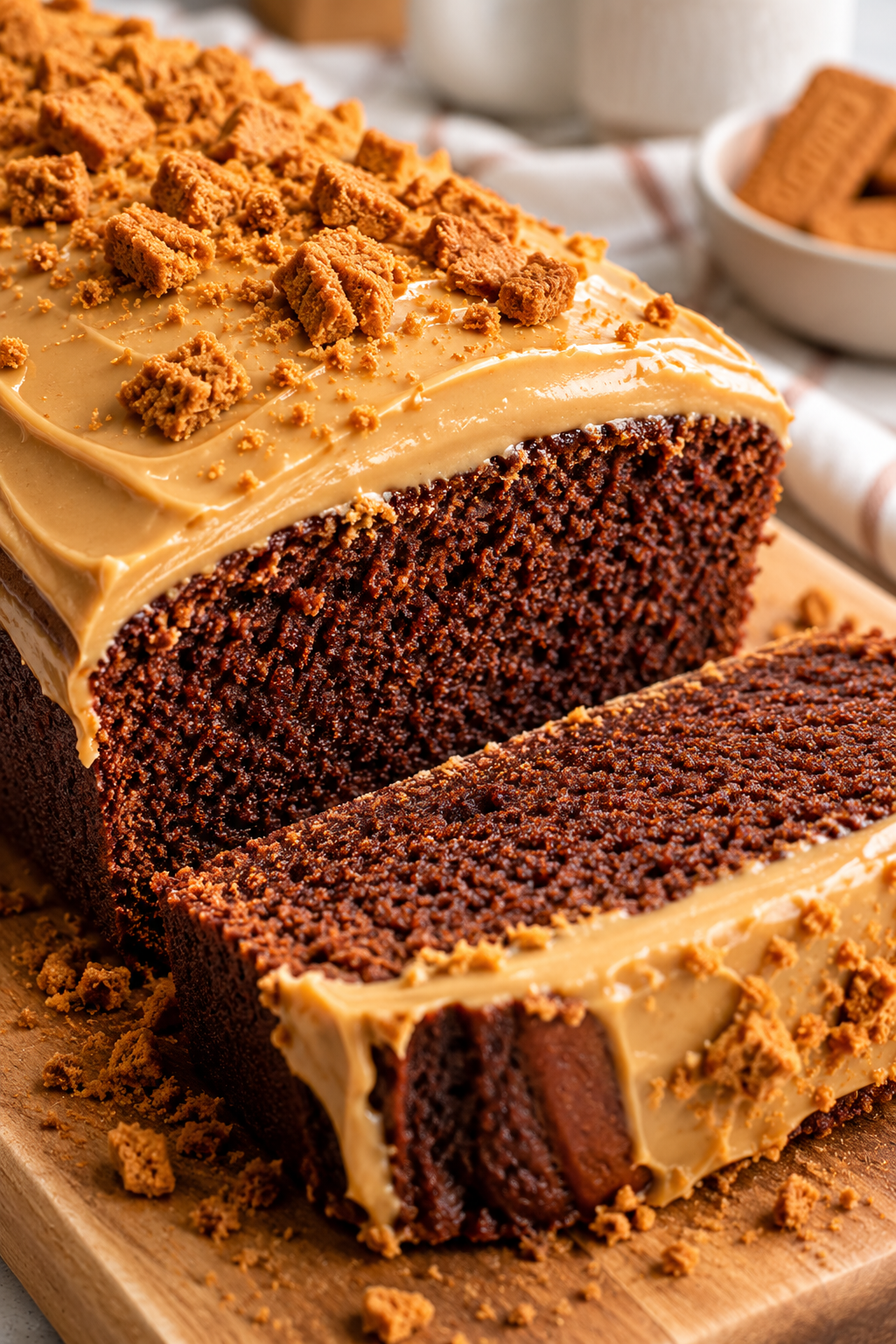
Gingerbread Cake with Cinnamon Molasses Frosting is a wonderfully soft, moist, and warmly spiced dessert that brings all the comforting flavors of the holiday season to your table. Made with rich molasses, fragrant ginger, cinnamon, and a tender cake crumb, this homemade treat is finished with a creamy cinnamon frosting infused with the deep, caramel-like flavor of molasses.
Perfect for Christmas celebrations, Thanksgiving gatherings, winter parties, or a cozy afternoon at home, this cake combines traditional gingerbread flavor with a smooth, indulgent frosting. Every slice offers a delicious balance of sweetness, warm spices, and rich molasses.
What Is Gingerbread Cake with Cinnamon Molasses Frosting?
Gingerbread cake is a classic baked dessert traditionally made with molasses and warming spices such as ground ginger, cinnamon, and cloves. Unlike crisp gingerbread cookies, this cake has a soft, tender texture that makes it perfect for serving by the slice.
The cinnamon molasses frosting adds another layer of flavor. Its creamy texture complements the moist cake, while cinnamon enhances the spices and molasses provides a rich, slightly smoky sweetness.
Together, the cake and frosting create a comforting dessert that feels both rustic and elegant. It can be served as a simple family treat or dressed up for a holiday dessert table.
Why You’ll Love This Recipe
Moist and tender texture: Molasses and the right balance of wet and dry ingredients help create a soft cake that stays moist after baking.
Warm holiday spices: Ginger, cinnamon, and cloves give every bite a cozy, aromatic flavor.
Rich molasses sweetness: Molasses adds depth and a distinctive gingerbread taste that ordinary sugar alone cannot provide.
Creamy homemade frosting: Cinnamon molasses frosting adds a smooth, sweet finish that pairs beautifully with the spiced cake.
Perfect for special occasions: This cake is ideal for holiday dinners, family gatherings, potlucks, and winter celebrations.
Easy to prepare: The batter uses familiar baking ingredients and straightforward mixing techniques, making it approachable for home bakers.
Recipe at a Glance
- Prep Time: 25 minutes
- Cook Time: 35–40 minutes
- Cooling Time: 1 hour
- Total Time: Approximately 2 hours
- Servings: 9–12 slices
- Difficulty: Easy to moderate
- Best For: Christmas, Thanksgiving, winter gatherings, and afternoon treats
Ingredients Overview
This recipe has two main components: the gingerbread cake and the cinnamon molasses frosting.
1. Gingerbread Cake
The cake combines all-purpose flour, butter, brown sugar, molasses, eggs, milk, and warm spices. Baking soda helps the cake rise, while the combination of butter and molasses contributes to its rich flavor and moist texture.
Ground ginger provides the signature gingerbread taste, cinnamon adds warmth, and a small amount of ground cloves gives the cake a deeper, more traditional spice profile.
2. Cinnamon Molasses Frosting
The frosting is made with butter, powdered sugar, molasses, cinnamon, vanilla extract, and a little milk or cream.
Butter creates a smooth, creamy base, while powdered sugar provides sweetness and structure. Molasses adds depth, and cinnamon ties the frosting to the flavors of the cake.
The amount of milk or cream can be adjusted to achieve a spreadable consistency.
Choosing the Right Molasses
Molasses is one of the most important ingredients in gingerbread cake because it contributes moisture, color, sweetness, and flavor.
- Unsulphured molasses: A great choice for baking, with a rich flavor that works well in gingerbread.
- Light molasses: Milder and sweeter, making it suitable for a less intense flavor.
- Dark molasses: Stronger and more robust, creating a deeper gingerbread taste.
- Blackstrap molasses: Very dark, bitter, and intense. It is generally not the best choice for this cake because it can overpower the other ingredients.
For a balanced, classic gingerbread flavor, use unsulphured dark or regular baking molasses rather than blackstrap molasses.
Tips for a Perfect Gingerbread Cake
- Measure the flour correctly: Too much flour can make the cake dry and dense. Spoon the flour into your measuring cup and level it off, or use a kitchen scale.
- Use room-temperature ingredients: Room-temperature eggs and milk help the batter mix more evenly.
- Do not overmix: Mix the batter only until the ingredients are combined to help keep the cake tender.
- Measure the spices carefully: Ginger and cinnamon should complement the molasses rather than overpower it.
- Avoid overbaking: Begin checking the cake near the end of the suggested baking time. A toothpick inserted into the center should come out clean or with a few moist crumbs.
- Cool completely before frosting: Warm cake can melt the butter in the frosting, causing it to slide or become runny.
- Adjust frosting consistency gradually: Add milk or cream a teaspoon at a time until the frosting is easy to spread.
What Makes This Cake Special?
The magic of Gingerbread Cake with Cinnamon Molasses Frosting lies in the contrast between its rich, warmly spiced cake and its smooth, creamy topping. Molasses brings a deep caramel-like flavor, while ginger and cinnamon provide the familiar aroma associated with homemade holiday baking.
The frosting makes the cake feel extra special without hiding the traditional gingerbread flavor. Each slice is soft, flavorful, and satisfying, making it a wonderful choice for anyone who enjoys classic fall and winter desserts.
Gingerbread Cake with Cinnamon Molasses Frosting — Ingredients, Measurements, and Preparation
This gingerbread cake combines a moist, tender crumb with warm spices and rich molasses. The cinnamon molasses frosting adds a creamy finish that makes every slice perfect for the holiday season.
Ingredients for Gingerbread Cake
This recipe makes one 9-inch square cake, serving approximately 9–12 people.
For the Cake
- 2 cups (250 g) all-purpose flour
- 1 teaspoon baking soda
- 1½ teaspoons ground ginger
- 1 teaspoon ground cinnamon
- ¼ teaspoon ground cloves
- ¼ teaspoon ground nutmeg, optional
- ½ teaspoon salt
- ½ cup (113 g) unsalted butter, softened
- ½ cup (100 g) packed brown sugar
- ¾ cup (180 ml) unsulphured molasses
- 1 large egg, at room temperature
- ¾ cup (180 ml) milk
- 1 teaspoon vanilla extract
- ½ cup (120 ml) hot water
For the Cinnamon Molasses Frosting
- ½ cup (113 g) unsalted butter, softened
- 2 cups (240 g) powdered sugar
- 1 tablespoon molasses
- ½ teaspoon ground cinnamon
- 1 teaspoon vanilla extract
- 1–2 tablespoons milk or heavy cream, as needed
- A small pinch of salt, optional
The frosting should be smooth, creamy, and easy to spread. Add the milk or cream gradually to avoid making it too thin.
Ingredient Notes and Substitutions
All-purpose flour: Provides structure while keeping the cake tender. Measure carefully to prevent a dry texture.
Unsulphured molasses: Gives the cake its characteristic deep flavor, moisture, and dark color. Regular or dark baking molasses works well. Avoid blackstrap molasses, which can taste too bitter for this recipe.
Brown sugar: Adds moisture and a subtle caramel flavor. Light or dark brown sugar can be used.
Unsalted butter: Creates a rich cake and a creamy frosting. If using salted butter, reduce the added salt slightly.
Milk: Helps create a smooth batter. Whole milk is ideal, but 2% milk also works.
Ground ginger and cinnamon: These spices give the cake its classic gingerbread character. Freshly purchased spices generally provide a more pronounced aroma.
Baking soda: Reacts with the acidic molasses to help the cake rise. Measure it carefully for the best results.
Egg: Helps bind the ingredients and contributes to the cake’s structure.
Powdered sugar: Gives the frosting its sweetness and consistency. Sift it if it contains lumps.
Equipment You Will Need
- 9-inch square baking pan
- Parchment paper
- Large mixing bowl
- Medium mixing bowl
- Electric hand mixer or stand mixer
- Whisk
- Rubber spatula
- Measuring cups and spoons or a kitchen scale
- Toothpick or cake tester
- Cooling rack
- Offset spatula or butter knife for frosting
A metal baking pan generally produces reliable results. If using a glass baking dish, monitor the cake closely because baking times may vary.
Preparation Steps Before Baking
1. Prepare the Baking Pan
Preheat your oven to 350°F (175°C).
Lightly grease a 9-inch square baking pan and line the bottom with parchment paper. Leave a little overhang if possible to make removing the cooled cake easier.
2. Combine the Dry Ingredients
In a medium bowl, whisk together the flour, baking soda, ground ginger, cinnamon, cloves, nutmeg if using, and salt.
Mix thoroughly so the baking soda and spices are evenly distributed throughout the flour.
Set the bowl aside.
3. Cream the Butter and Brown Sugar
In a large mixing bowl, beat the softened butter and brown sugar with an electric mixer until the mixture looks creamy and well combined, about 2–3 minutes.
Scrape down the sides of the bowl as needed.
4. Add the Molasses and Egg
Pour in the molasses and beat until incorporated. Add the egg and vanilla extract, then mix until smooth.
The mixture may look slightly different in texture after adding the molasses; this is normal.
5. Prepare the Milk and Hot Water
Measure the milk and hot water separately. The hot water helps loosen the batter and contributes to the cake’s moist texture.
Let the water cool slightly if it is boiling vigorously. It should be hot but manageable when added to the mixture.
6. Get Ready to Mix the Batter
Add the dry ingredients to the butter mixture in stages, alternating with the milk. Mix on low speed just until combined, then carefully stir in the hot water.
The finished batter will be thinner than a typical butter cake batter. This is expected for a moist gingerbread cake.
Avoid overmixing, as excessive mixing can make the cake tough.
7. Prepare the Frosting Ingredients
While the cake bakes, allow the frosting butter to soften to room temperature. Measure the powdered sugar, molasses, cinnamon, and vanilla extract.
Wait until the cake has cooled completely before mixing and spreading the frosting.
Gingerbread Cake with Cinnamon Molasses Frosting — Step-by-Step Baking Instructions
Now that your ingredients are prepared, it’s time to bake the gingerbread cake and make the creamy cinnamon molasses frosting. Follow these steps to achieve a moist, flavorful cake with a smooth, rich topping.
Mix the Cake Batter
In a large mixing bowl, beat the softened butter and brown sugar until creamy. Add the molasses, egg, and vanilla extract, mixing until well combined.
In a separate bowl, whisk together the flour, baking soda, ginger, cinnamon, cloves, nutmeg, and salt.
Add the dry ingredients to the butter mixture in stages, alternating with the milk. Mix on low speed until just combined.
Finally, carefully stir in the hot water. The batter will be relatively thin, which helps create a moist, tender cake.
Avoid overmixing once the flour has been added.
Pour the Batter into the Pan
Pour the batter into the prepared 9-inch square baking pan.
Use a rubber spatula to scrape the bowl and spread the batter evenly into the corners. Gently tap the pan on the counter once or twice to release any large air bubbles.
Make sure the surface is reasonably level so the cake bakes evenly.
Bake the Gingerbread Cake
Place the pan in the preheated oven at 350°F (175°C).
Bake for approximately 35–40 minutes, checking near the end of the baking time.
To test for doneness, insert a toothpick into the center of the cake. It should come out clean or with a few moist crumbs, but without wet batter.
If the center still looks wet, bake for another 3–5 minutes and check again. Avoid baking longer than necessary, as this can dry out the cake.
Cool the Cake Completely
Remove the cake from the oven and place the pan on a cooling rack.
Allow it to cool in the pan for approximately 15–20 minutes. If you want to remove it from the pan, carefully lift it out using the parchment paper and transfer it to the rack.
Let the cake cool completely before adding the frosting.
This step is essential because warm cake can melt the butter in the frosting, causing the topping to become runny.
Make the Cinnamon Molasses Frosting
Once the cake has cooled, prepare the frosting.
In a large bowl, beat the softened butter with an electric mixer until smooth and creamy, about 2 minutes.
Gradually add the powdered sugar, mixing on low speed at first to prevent it from scattering.
Add the molasses, ground cinnamon, vanilla extract, and a small pinch of salt if desired. Beat until the frosting is smooth and evenly colored.
Add 1 tablespoon of milk or heavy cream and mix again. If the frosting is too thick, add the remaining milk a little at a time until it reaches a spreadable consistency.
The frosting should hold its shape while remaining soft enough to spread easily.
Frost the Gingerbread Cake
Place the completely cooled cake on a serving plate or leave it in the baking pan.
Spread the cinnamon molasses frosting evenly over the surface using an offset spatula or butter knife.
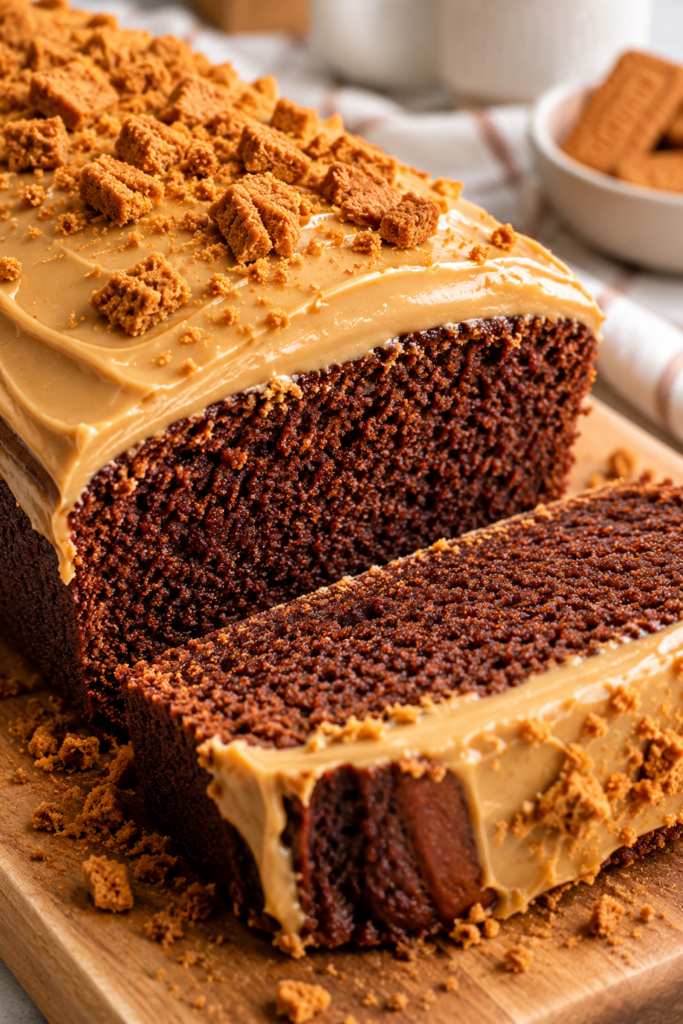
For a rustic appearance, create gentle swirls across the frosting. For a more polished finish, smooth the surface and clean the edges.
If desired, finish with a light sprinkle of cinnamon or a few finely chopped pecans.
Let the Frosting Set
Allow the frosted cake to rest for approximately 15–20 minutes before slicing.
This gives the frosting a little time to settle and makes serving easier.
Use a sharp knife to cut the cake into 9–12 slices, wiping the blade between cuts for cleaner edges.
Serve at room temperature to enjoy the full flavor of the ginger, cinnamon, and molasses.
Troubleshooting Tips
Why is my gingerbread cake dry?
The cake may have been overbaked or contained too much flour. Measure ingredients accurately and begin checking for doneness around 35 minutes.
Why is the center of my cake sinking?
Opening the oven too early, underbaking, or using an inaccurate amount of baking soda can affect the cake’s structure. Avoid opening the oven during the first 25 minutes and check that the center is fully baked.
Why is my cake batter so thin?
The hot water makes this batter thinner than a typical cake batter. This is normal and helps create a moist crumb.
Why is my frosting runny?
The butter may be too warm, or too much milk may have been added. Chill the frosting briefly, then beat it again. You can also gradually add more powdered sugar if necessary.
Why is my frosting too stiff?
Add milk or cream a teaspoon at a time until it becomes smooth and easy to spread.
Can I frost the cake while it is still warm?
No. Allow it to cool completely first to prevent the frosting from melting.
Your Gingerbread Cake Is Ready
Your Gingerbread Cake with Cinnamon Molasses Frosting should now have a soft, moist crumb, a rich molasses flavor, and a creamy topping infused with cinnamon.
The combination of warm spices and smooth frosting makes this cake especially satisfying during the cooler months.
Gingerbread Cake with Cinnamon Molasses Frosting — Serving, Storage, Variations, and FAQs
How to Serve Gingerbread Cake with Cinnamon Molasses Frosting
This gingerbread cake is delicious on its own, but a few simple additions can make it even more special. Its rich molasses flavor and warm spices pair beautifully with creamy toppings, fresh fruit, and hot drinks.
Here are some delicious ways to serve it:
- With a cup of coffee: The bold flavor of coffee complements the ginger, cinnamon, and molasses.
- With hot tea: Serve a slice with black tea, chai, or spiced herbal tea for a cozy afternoon treat.
- With vanilla ice cream: A scoop of vanilla ice cream creates a delicious contrast with the warm spices.
- With whipped cream: Add a spoonful of lightly sweetened whipped cream for a softer, lighter finish.
- With chopped pecans: Sprinkle toasted pecans over the frosting for extra crunch.
- With caramel sauce: Drizzle a small amount of caramel sauce over each slice for a richer dessert.
For holiday gatherings, cut the cake into neat squares and arrange them on a serving platter. A light dusting of cinnamon or a few chopped pecans makes a simple, attractive finishing touch.
Tips for the Best Gingerbread Cake
- Use good-quality molasses: Unsulphured baking molasses provides the rich, traditional flavor that makes gingerbread special.
- Measure the flour accurately: Too much flour can make the cake dense or dry.
- Use fresh spices: Freshly purchased ground ginger and cinnamon provide a stronger aroma and better flavor.
- Avoid overmixing: Stir the batter just until the ingredients are combined.
- Do not overbake: Check the center with a toothpick near the end of the baking time.
- Cool completely before frosting: This prevents the butter-based frosting from melting.
- Adjust the frosting gradually: Add milk or cream in small amounts until the desired consistency is reached.
- Let the flavors develop: The spices and molasses often taste even more pronounced after the cake rests overnight.
Storage Instructions
How to Store Gingerbread Cake
Because this cake has a butter-based frosting, storage depends on the temperature of your kitchen and how long you plan to keep it.
Store the frosted cake in an airtight container in the refrigerator for up to 4 days. Allow individual slices to sit at room temperature for about 20–30 minutes before serving for a softer texture and fuller flavor.
If you prefer to store the unfrosted cake, let it cool completely and wrap it tightly. Keep it at room temperature for up to 2 days in a cool environment, or refrigerate it if your kitchen is particularly warm.
Can You Freeze Gingerbread Cake?
Yes. Gingerbread cake freezes well, especially when frozen without frosting.
To freeze the cake:
- Allow it to cool completely.
- Cut it into individual portions or leave it whole.
- Wrap each portion tightly in plastic wrap.
- Place the wrapped cake in a freezer-safe container or bag.
- Freeze for up to 3 months for best quality.
Thaw the cake overnight in the refrigerator or allow individual slices to thaw at room temperature. Prepare fresh frosting or frost the thawed cake once it has reached room temperature.
Frosted slices can also be frozen, although the frosting’s texture may change slightly after thawing.
How to Keep the Cake Moist
Store the cake in an airtight container to prevent it from drying out. Avoid leaving cut slices uncovered for long periods.
If refrigerating the cake, keep it well covered and allow it to warm slightly before serving. This helps soften the crumb and makes the molasses flavor more noticeable.
Delicious Variations to Try
1. Gingerbread Cake with Cream Cheese Frosting
Replace the cinnamon molasses frosting with cream cheese frosting for a tangier finish. Beat softened cream cheese with butter, powdered sugar, and vanilla until smooth.
You can still add a small pinch of cinnamon to complement the gingerbread spices.
2. Gingerbread Cake with Pecans
Fold ½ cup of chopped pecans into the batter before baking. The nuts add texture and a pleasant toasted flavor that works beautifully with molasses.
You can also sprinkle chopped toasted pecans over the frosting.
3. Extra-Spiced Gingerbread Cake
For a more intense flavor, slightly increase the ginger or add a small pinch of allspice. Keep the balance of spices in mind so the molasses remains the star of the recipe.
4. Gingerbread Cupcakes
Divide the batter among lined muffin cups, filling each approximately two-thirds full. Bake at 350°F (175°C) for about 18–22 minutes, checking for doneness with a toothpick.
Allow the cupcakes to cool completely before adding the cinnamon molasses frosting.
5. Gingerbread Cake with Orange Zest
Add 1 teaspoon of finely grated orange zest to the batter. The citrus aroma brightens the deep molasses flavor and creates a lovely variation for winter celebrations.
6. Gingerbread Cake with Caramel Drizzle
Prepare the recipe as written, then drizzle a little caramel sauce over the frosting just before serving. Finish with a tiny pinch of cinnamon for an indulgent dessert.
Frequently Asked Questions
Can I make gingerbread cake ahead of time?
Yes. You can bake the cake a day ahead, let it cool completely, and store it covered. Prepare the frosting and spread it over the cake before serving or once the cake is fully cooled.
What type of molasses is best for gingerbread cake?
Unsulphured regular or dark baking molasses is generally the best choice. It provides a deep, traditional flavor without the bitterness that blackstrap molasses can introduce.
Can I make this cake without molasses?
Molasses is responsible for much of the cake’s signature flavor, moisture, and color. If necessary, dark treacle can be used as an alternative where available, although the flavor may differ. Replacing molasses with a thin liquid sweetener can change the cake’s texture, so adjustments may be needed.
Why is my gingerbread cake dense?
Too much flour, overmixing, or an incorrect amount of baking soda can affect the cake’s texture. Measure carefully, mix gently after adding the flour, and check that your baking soda is fresh.
Can I make this recipe without an electric mixer?
Yes. A sturdy whisk and a wooden spoon can be used to prepare the batter. For the frosting, make sure the butter is softened and beat it thoroughly with a whisk or spatula until smooth.
How do I know when the cake is fully baked?
Insert a toothpick into the center. It should come out clean or with a few moist crumbs, without wet batter. The cake should also feel set in the center.
Can I use this frosting on other desserts?
Absolutely. Cinnamon molasses frosting pairs well with spice cupcakes, pumpkin cake, apple cake, carrot cake, and gingerbread cookies.
Should gingerbread cake be served warm or cold?
It is best served at room temperature. This allows the cake to soften and makes the frosting creamy. If refrigerated, let each slice sit out for about 20–30 minutes before serving.
Final Thoughts
Gingerbread Cake with Cinnamon Molasses Frosting is a comforting homemade dessert that celebrates the rich flavors of molasses, ginger, and cinnamon. Its moist crumb and creamy frosting make it a wonderful choice for holiday gatherings, winter celebrations, or a quiet afternoon with a warm drink.
Whether you serve it plain, add toasted pecans, or finish it with a drizzle of caramel, this cake is easy to customize while keeping its classic gingerbread character.
Prepare it ahead for special occasions, store the leftovers carefully, and enjoy a slice whenever you crave a cozy, warmly spiced dessert.